OurDream AI & AI Companion FAQ
Forty questions people actually ask before they try a companion platform. Cost, memory, creation, deletion, roleplay, images, adult limits and privacy. Answers are written to stand on their own — read the one you came for and leave, or work through a category top to bottom.
We are an informational resource, not the official OurDream AI website. Where an answer depends on a specific platform's rules or pricing, we say so instead of guessing — policies in this category change often, and the platform's own terms are always the final word.
Jump to a category
OurDream AI
The questions that come up before anything else — what this platform is, what we are, and what using it involves.
OurDream AI is a third-party AI companion platform. You chat with AI characters, create your own, and use image, video and voice features built around those characters. OurDreamAI is an informational resource about it — we explain the platform, we do not operate it.
The home page walks through the feature categories if you want the overview before the detail.
No. OurDreamAI is an independent informational and referral website. It is not the official OurDream AI site, and it is not run by OurDream AI. Some of our outbound links are affiliate links, which is how the site is funded.
That fact is worth knowing about, because it tells you what to expect from us. We are not neutral in the sense of having no stake — we do have one. There is more on our about page about how this site is put together.
Pricing is set by OurDream AI and can change, so treat any specific number you read on a third-party site with suspicion. Platforms in this category typically have a free entry point plus a paid tier that unlocks more messages, faster replies or extra creation controls.
Check the current terms on the platform itself before you commit to anything. That is also where you will find what a subscription does and does not include.
Four broad areas: text chat with a character, character creation, roleplay scenarios, and generation features such as images, video and voice. They are connected rather than separate products — the character you build is the character you chat with and the one that appears in generated visuals.
Start with the AI girlfriend overview or the character creation walkthrough depending on whether you want to understand the experience or the controls first.
Read one guide, decide which experience you want, then continue to the platform and use the real thing. Everything demonstrated on this site happens there — we only explain it.
If you are undecided, the AI companion guide covers the widest range of options, and the character creation section below explains what you will be asked to choose once you are in.
AI Girlfriends
The term gets used loosely online. Here is what it means precisely, how it differs from a general-purpose chatbot, and where the romance framing stops being the point.
The long version is on the AI girlfriend page.
An AI girlfriend is a conversational character designed around a consistent persona — a look, a tone and a history with you. You talk to her over text, and sometimes voice or images, and she is meant to respond as the same person each time you return rather than as a fresh chatbot.
A chatbot answers a question and forgets it. A girlfriend-framed character is built to carry continuity: she has a personality you chose or selected, a relationship framing, and memory of earlier conversations. The difference shows up after the first few sessions, not in the first reply.
No. Romance is the most common framing, but it is a setting rather than a requirement. Plenty of people use these platforms for company without a romantic angle, and some characters are built as friends, mentors or purely narrative figures.
The companion guide covers the non-romantic end of that range.
It varies, and it depends more on your own input than on the platform. Characters feel consistent when you give them consistent context and hold one persona; they feel generic when every session starts from a blank slate.
The effect tends to build gradually rather than appearing immediately. If you expect the first message to be uncanny, you will probably be disappointed. If you expect the twentieth conversation to land better than the first, you are closer to how it actually goes.
On most companion platforms, yes — characters are separate creations and you can keep several at once. The practical limit is your own attention, because each one only stays coherent if you actually talk to her.
Starting with one and adding later works better than opening five in the first week. Every character you ignore gets slightly vaguer.
AI Girlfriend Chat
Memory is the feature people care about most and understand least. These answers cover what carries forward, what fades, and how to start over cleanly.
Two things are happening at once. The character carries a persona definition that does not change between sessions, and the conversation carries context forward so recent exchanges stay available. The persona is why she sounds like herself; the context is why she knows what you discussed.
Details that come up repeatedly, or that you state plainly, tend to survive far longer than passing remarks. There is more on this in the chat and memory guide.
She will not forget the persona, but very old details can lose weight compared with what happened recently. If something matters to you, restating it in a later conversation is usually enough to bring it back into focus. Treat memory as working continuity rather than an archive.
Yes, on any platform worth using. Most let you clear a single conversation, or reset a character and begin again with the same persona.
Ask the platform what deletion actually removes, because some keep history on their side even after you clear the thread. Our own privacy policy covers what this website collects, which is a much shorter list.
No. Text is the backbone, but most companion platforms in this category also offer spoken replies, voice notes or call-style conversation, plus generated images. Whether those sit on the free tier or behind a subscription varies from platform to platform.
The chat guide covers how the modes differ in practice, and where voice genuinely adds something over typing.
Character Creation
Creation is the part people rush, and it is the part that decides whether the character still interests you in a fortnight. Appearance is quick; personality and relationship are the settings that matter.
Full walkthrough: creating an AI girlfriend.
You work through a short setup: appearance, then personality, then the kind of relationship you want, then a voice. After that you start talking, and the character develops from there. The full sequence is walked through on the character creation page.
Personality and relationship, in that order. Decide whether you want someone warm or sharp, reserved or forward, and whether this is romantic, platonic or a scenario character. Appearance is the setting you will stop noticing first.
The creation guide shows how those choices interact, and which combinations tend to fight each other.
Usually yes — appearance and some persona details can be edited later, though large changes mid-relationship tend to show. If you rewrite a character's core personality after a long conversation history, expect a slightly different person for a while.
Small refinements are safer than rewrites. Adding a trait works; replacing the whole character usually means starting the relationship again.
Most platforms let you delete a character entirely, and many offer a reset that clears the history but keeps the persona. Deletion is the cleaner option if you are finished with her. Reset is better if the persona worked and the conversation did not.
No. A short, specific description beats a long, vague one every time. Three clear sentences about how she talks and what she wants will do more than a page of physical description.
You can always add detail later, once you know what is missing from the conversation. Building a character in detail covers what to prioritise first.
AI Companions
Companion is the broader term, and the one most people use without defining. These answers cover what it includes and what it does not replace.
An AI companion is any persistent AI character you return to over time. The term covers romantic partners, platonic friends, characters built for a story, and characters you simply enjoy talking to. Persistence is the defining feature, not romance.
Yes, and it is more common than the marketing suggests. Friend framings, mentor characters and scenario-only companions all exist, and some platforms make the relationship type an explicit setting.
If romance is not what you want, choose the framing deliberately at creation instead of leaving it on the default. The AI companion page covers how those options are usually presented.
No, and treating it as one tends to go badly. A companion platform is good at availability, patience and low-stakes conversation. It does not offer another person's actual life, obligations or unpredictability.
Most people who get something out of it treat it as an addition rather than a substitute. That framing is also the one that keeps expectations honest.
The range is wider than the stereotype. People use them for company at odd hours, for creative writing, for practising conversation, and for scenarios they cannot easily act out elsewhere.
We do not publish user numbers for this category, because we have no reliable way to verify them and would rather say nothing than invent a figure.
AI Roleplay
Roleplay is where companion platforms stop being about small talk. A scene gives the conversation somewhere to go, which is exactly what an open-ended chat often lacks.
More examples: how AI roleplay works.
You and the character agree on a situation — who you both are, where you are, what is happening — and then the conversation stays inside that frame. Instead of talking about your real day, you play a scene. The character holds a role, you hold yours, and the memory tracks the story.
No. Short, plain messages work fine, and long descriptive prose is not required. What helps is being specific: say what your character does or wants, and the scene has something to respond to.
Most people settle into a style within a few exchanges. If a scene is not moving, the problem is usually the setup rather than the writing.
Yes, and you probably will. Scenes have natural endings, and stepping out of the frame back into ordinary conversation is normal. Nothing about a roleplay session locks you into that mode.
If a scenario has run out of momentum, saying so plainly is faster than trying to force it forward with more description.
Scenarios with a built-in reason to keep talking. A first meeting, a long journey, an ongoing project, a mystery that has not resolved. Settings where nothing is at stake tend to stall within a dozen messages.
There are worked examples on the roleplay page if you want a starting point rather than a blank page.
Images & Video
What generation features realistically produce, and where the limits show. Worth reading before you pay for anything based on a gallery.
Convincing at a glance, and usually identifiable as generated if you look closely. Hands, jewellery, background text and repeated small details are where quality tends to slip first.
Holding the same face across many images is the harder problem, and it varies a lot between platforms. Some keep a character strongly on-model; others drift within a few generations.
That is the usual approach. You generate from the character you created, so the output matches her appearance and style rather than producing a generic portrait. How tightly it stays on-model depends on the platform and on how detailed your character setup was.
The creation walkthrough covers which setup details feed into generated visuals.
Both exist in this category, though video is newer and usually limited to short clips rather than anything long-form. Still images remain the reliable feature.
Treat motion as a bonus rather than a reason to choose a platform. If video matters to you, check whether it is included in the subscription or billed separately.
Voice is widely available now and quality has improved a lot. Most platforms offer a set of voices to choose from rather than one default, with differences in pitch, pace and warmth. Some support spoken replies inside the chat, and some go further with call-style conversation.
The chat and voice guide covers how those modes differ, and when voice genuinely adds something over reading.
What generation output usually looks like
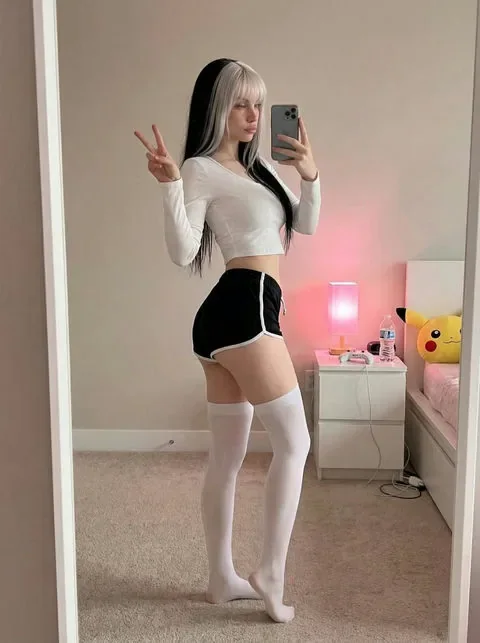
Portrait, scene, style variation and outfit change are the four request types most platforms support. They are the same character rendered differently, not four different people — which is exactly why on-model consistency is the thing to test first.
The images below are AI-generated samples used to illustrate output types. They were not produced on any platform and are not a live feed.
 Portrait
 Outfit
 Style
Style
 Scene
Scene
 Editorial
Adult AI
Adult features are part of this category and pretending otherwise would be silly. What matters is knowing where they sit, what the rules are, and how much control you actually have.
Category overview: adult AI features and adult conversation.
It is a category label rather than a single feature. It covers companion platforms with suggestive content, dedicated adult generation tools, and the adult modes inside general companion apps.
On this site we treat it as a subject to explain rather than something to push. Our overview of the category sets out what it includes without pretending it is something else.
On this site, no — everything we publish is suggestive at most, and written as editorial rather than explicit material. We are describing a category, not producing content in it.
On third-party platforms the answer depends on their rules, not ours. Check what a given platform permits before you assume anything either way.
You must be 18 or older to use the platforms this site writes about, and to read the adult sections here. Age verification exists for a reason and we do not encourage working around it. If you are under 18, this site is not for you.
Largely yes. Characters follow the framing you set, so a platonic or story-driven character behaves very differently from a romantic one, and stepping the tone back usually works without breaking anything.
If a platform's default leans further than you want, that is a signal to adjust the character setup rather than to fight the conversation turn by turn.
Privacy
The least glamorous section here and the one most worth reading. Conversations on a companion platform are stored, and knowing how changes what you type.
On OurDream AI and any similar platform, conversations are stored on their systems so the character can stay consistent between sessions. That is the trade-off for memory: continuity requires retention. What they do with that data beyond serving it back to you is governed by their privacy policy, not ours.
Not by default, on a well-built platform. Characters you create are normally private to your account unless you choose to publish them, and conversations are not public.
Some platforms let users share characters publicly, which is opt-in. Read the platform's own documentation rather than assuming, and check the default before you create anything personal.
Two levels, and they are not the same. Inside the platform you can usually delete conversations and characters yourself. Removing your account entirely is a separate step, and it is the one that actually clears stored data.
For this website, the privacy policy explains what little we collect and how to ask us to remove it.
Policies differ, and this is the single question most worth checking before you sign up anywhere. Some platforms state plainly that conversations are used to improve their systems, others offer an opt-out, and others say they do not.
Do not accept a general answer from a review site, including this one. Read the specific platform's terms, and its terms of use, before you decide.
Treat it like talking to a service, not a confidant. Nothing you type is legally privileged, and it lives on someone else's servers under their rules.
Names, addresses, financial details and anything you would not want stored are best left out, however private the conversation feels. The feeling of privacy and the fact of it are different things.
A companion platform remembers what you tell it because that is the product. Decide what you are comfortable having remembered before you start typing.
See It for Yourself
Answers only go so far. The chat, the character creator and the generation features are all on OurDream AI — this site just explains them.
Opens OurDream AI, a third-party platform with its own terms and privacy policy.