How to Write Better AI Girlfriend Prompts
Use a four-part framework, copy-ready template and quick revision loop to make everyday chat and longer scenes feel more natural.
Read the prompt guideThis is where the written side of OurDreamAI lives. Every entry below is a topic we cover in depth — what it means, how it behaves in practice, and what to think about before you commit time to it. Pick the one that matches what you are actually curious about.
A note on how this index works. The full write-ups live on the dedicated guide pages, not here, so every card below links straight to the page that covers that topic properly. Nothing on this page is a stub or a teaser — if a card is here, the guide behind it exists.
Topic filters are a visual aid for scanning the index. They do not hide or reorder anything.
Two detailed guides with templates and checklists for better conversations and more deliberate privacy choices.

Use a four-part framework, copy-ready template and quick revision loop to make everyday chat and longer scenes feel more natural.
Read the prompt guide
Review chat history, memory, uploads, account security, payments and deletion with one practical ten-minute checklist.
Open the privacy checklist
The starting point for everything else on this site. An AI girlfriend is a conversational character built around a fixed persona — a look, a tone, a relationship and a memory that survives between sessions. This guide explains what that actually means in daily use, where the experience holds up, and where it is still just software being charming.
Read it first if you have never used a companion platform. It sets the vocabulary the rest of the guides assume.
Six topics that come up constantly in questions we get. Each one links to the full page, which is the version worth reading.

A plain description of the machinery underneath the persona: the character definition you set, the context that gets carried forward, and the generation step that turns all of it into a reply. No jargon, and no claims about how any specific platform is built.
How AI girlfriends work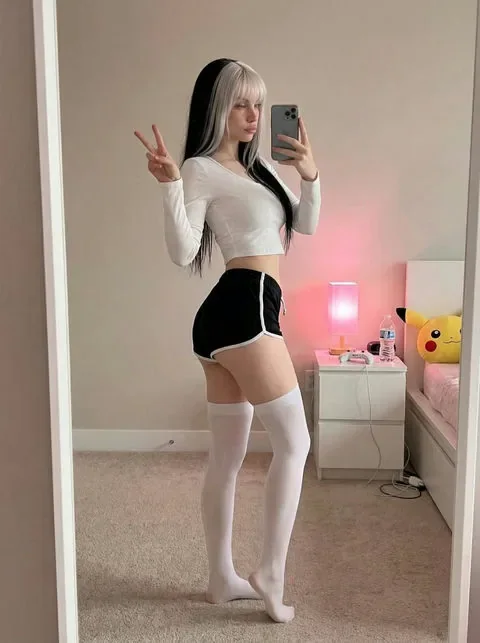
The creation flow, category by category: appearance, personality, relationship type and voice. The useful part is knowing which of those settings actually changes how the conversation feels, and which ones you will stop noticing after a day.
Walk through character creation
Why a character remembers your name but not the third thing you said last Tuesday. Continuity is the feature people care about most and understand least, so this one gets into what tends to stick, what fades, and how to help it along.
More on memory and continuity
Portraits, outfits, scenes and profile covers — what image features usually let you change, and how much the result still looks like the same person. Also covers the honest limits of generated visuals.
See how visuals fit into creation
Spoken replies, voice notes and call-style conversation. What voice adds that text cannot, and why some people switch back to typing after trying it. Includes what to listen for when you pick a voice.
Read about chat and voice
Setting expectations on purpose. What a companion platform does well, what it does not do at all, and the handful of habits that make the difference between a character who feels consistent and one who feels like a reset every time.
Build a character that holds upMost people arrive with one of three questions. Do you want someone to talk to at the end of the day? Do you want to build a character and see how far the persona holds? Or do you want a scenario to play through? The answers point at different pages, and reading the wrong one first wastes your time.
The other thing worth saying plainly: this hub is a map, not a manual. Each card below hands you off to a guide written to be read end to end, and those guides are where the detail is.
The useful question is not which platform is biggest. It is which experience you actually want, and whether the controls exist to get you there.
If you want company
Companions are the wider category — romance is optional, not the default. Read the companion guide.
If you want to build something
Appearance is the easy half. Personality and relationship are the settings that decide whether you come back. See the creation walkthrough.
If you want a story
Scenarios replace small talk with a frame you both stay inside. How AI roleplay works.
Comparisons, platform-shopping questions, and the adult side of the category.

The umbrella term, and the one most people use loosely. A companion is any persistent AI character you return to over time — which covers romantic partners, platonic friends and characters that exist purely for a story.
What an AI companion is
Roleplay is conversation with a situation attached. You agree on who you both are and where you are, then stay inside that frame instead of talking about your actual day. It is a different rhythm from ongoing chat.
The roleplay guide
Setting a scene, holding a character, and getting out of a scene when it has run its course. Also covers the small conventions — how much description to write, and what to do when the thread stalls.
Scenarios and how they run
We do not publish rankings, because we have not tested platforms against each other under controlled conditions and we are not going to pretend otherwise. What we can do is explain the criteria people use to choose, so you can apply them yourself.
What to compare between platforms
Free tiers exist, and so do the trade-offs that come with them: message limits, slower responses, fewer creation controls. This entry is about what "free" usually means in this category and what to check before relying on it.
Understand the usual trade-offs
Same stance as the girlfriend version: no leaderboard. Instead, a framework for judging a companion platform — how consistent characters stay, how much control you get, and how clearly the pricing is explained before you commit.
How to judge a companion platform
The two terms get used interchangeably online, and they are not quite the same thing. One describes a relationship framing, the other describes persistence. The overlap is large, and the difference matters when you are choosing settings.
Compare the two categories
A checklist you can apply anywhere: creation depth, memory behavior, how conversations are stored, what the adult features actually include, and whether the terms are readable. Written to be used before you sign up, not after.
The platform checklist
Adult AI is a category label, not a single feature. This entry explains where suggestive content sits on companion platforms, how it differs from dedicated adult products, and why age verification exists.
Read about adult AI featuresImages on this site are AI-generated character portraits and sample scenes selected for the guide. None is a screenshot and none is a profile lifted from anywhere. They show the range of character styles the guides talk about — realistic, stylised, fantasy, anime — so you can see what the vocabulary actually refers to.
Tap any of them for a larger view. The point is the range, not any individual character.
Realistic
Cosplay
Fantasy
Reserved
Confident
AI-generated character portraits and sample scenes selected for this guide. They are examples of character styles, not verified profiles on any platform.
If you would rather start from a category than a title, these are the eight areas the guides fall into. Each one has a home page on this site.
What a girlfriend-framed character is, how personalities differ, and how to choose one deliberately.
The wider category, including companions that are platonic, practical or purely narrative.
Ongoing conversation, memory, context and the things that keep a character consistent.
Scenarios, story frames and how a conversation behaves when it lives inside one.
Building a character: appearance, personality, relationship type and voice, in that order of difficulty.
Where suggestive content sits in the category, how it is framed, and what the age rules are.
Practical, end-to-end walkthroughs rather than explainers. Written to be followed.
How the categories differ from each other, and how to judge a platform without a leaderboard.
Reading about character creation only gets you so far. The actual chat, creation and image features are on OurDream AI — this site just explains them.
Opens OurDream AI, a third-party platform with its own terms and privacy policy.