
Scene one
The Late Train
Two strangers, one carriage, and a conversation neither of them planned to have.
Roleplay turns a chat into a story. You decide who the character is, where you are and what you are to each other — then the conversation stays inside that world.
The Late Train
Two strangers, one carriage, and a conversation neither of them planned to have.
Story state carried into the next scene
AI roleplay is a conversation held inside an agreed fiction. You settle who the character is, the situation, and what you are to each other — and the exchange stays in that frame. It does not need to be realistic, only consistent.
That is the difference from companion chat. A normal chat follows your week; a roleplay follows a story, and remembers the details of that story.
A scenario is not a prompt you type once. It is a frame the conversation lives inside.
She has a position in the story and answers from inside it.
A setting gives the conversation something to push against.
Events and consequences carry forward, so a session opens mid-story rather than at zero.
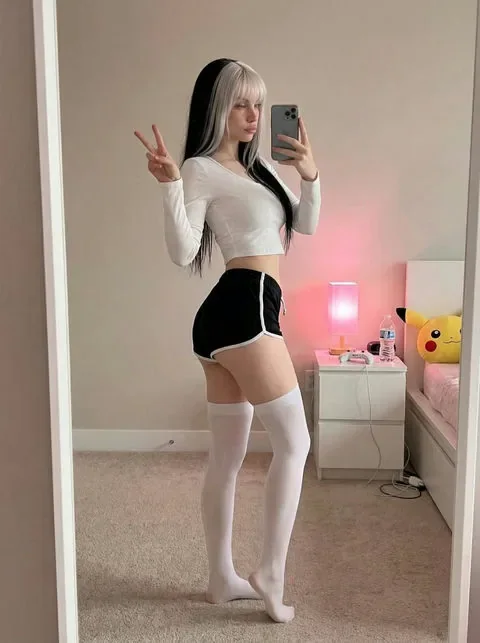
A scenario only works if the character belongs in it. These character portraits show the kinds of roles people build scenes around.
 Online
Slow burn
Built for scenes that take their time. She holds back, and the story is better for it.
 Online
The unknown
She is working an angle you have not been told about yet. Ideal for tension-led plots.
 Online
Takes the lead
Drives the scene forward and gives you something to react to instead of waiting.
 Online
Romantic lead
Expressive and quick. Made for affectionate scenes with clear emotional beats.
 Fantasy
Worldbuilder
Comes with a place attached. Best when the setting carries as much weight as the people.
 Online
Rival
Opposition you enjoy talking to. Useful for any story that needs friction.
AI-generated character portraits selected for this guide. They show the range of roles a scene can be built around, not a profile list.
The scenario is the frame everything else hangs on: where you are, why you are talking, and what could happen next.
A delayed service, an empty carriage and a stranger with a cover story.

Neither of you is who the paperwork says. The scene turns on who breaks first.
A world with rules, a journey with a destination and months ahead.

Nothing dramatic — just the small hours and someone else awake.

Old money, new grudges, and compliments that are all moves.

Six months from home, one other voice on the channel.
Scenario examples written for this guide. They show the shape of a setup, not the platform's catalog.
Scenario tells you where you are. Relationship decides whether the first line is a threat, an inside joke or an introduction.
Scenario The Late Train
You are Strangers
Tone Dry
Pace Slow burn

Static demonstration. Choosing an option here changes the text on this page and nothing else.
Once the frame is set, the opening exchange does the heavy lifting. Here is one already underway.
Demonstration interface. OurDreamAI runs no AI model — the live roleplay is on OurDream AI.
A scene is easy. A story is harder, because it needs the previous session to still count. Continuity holds the state of the fiction so the next exchange starts where the last one stopped.
Without it, every session resets and every character reintroduces herself. With it, a detail from three scenes ago can come back as a question.
The scene
The setting and the last beat of the story.
The character
Her role in the fiction and what she has not admitted.
The two of you
Whether you are still strangers, and when that stopped being true.
Over time
Small things from earlier scenes that resurface later.
Romantic roleplay is the version most people arrive for: a character you built, placed in a scene you chose, with the relationship part of the fiction. These guides cover the character side of it.
Four steps, in order. The third is where most people rush.
Transparency note: OurDreamAI is an informational and referral site — not the official OurDream AI website. The scenarios and conversations shown here are written examples, not transcripts of real sessions.
Short answers, before you start a scene. Longer ones are on the FAQ page.
AI roleplay is a conversation held inside an agreed fiction. You choose the character, the situation and what you are to each other, and the exchange stays in that frame.
No. A scenario, a relationship and a tone are enough to start. Add detail later, once you know which parts of the story you want to develop.
Normal chat follows your real life. Roleplay follows a story: the character holds a role, the events are fictional, and continuity tracks the scene, not your day.
Yes. A romantic scenario with a character you built is one of the most common ways people use roleplay. The AI Girlfriend and Create an AI Girlfriend pages cover the character side of it.
Scenes, names and running details carry forward so a session does not restart from nothing. How much is retained depends on the platform, not on this site.
On OurDream AI. This site is an informational resource — it explains the mechanics and shows static demonstrations, but it runs no AI model and cannot start a session.
Every setup on this page maps to something you can configure on OurDream AI. This site explains the mechanics — the story itself happens there.
Opens OurDream AI, a third-party platform with its own terms and privacy policy.